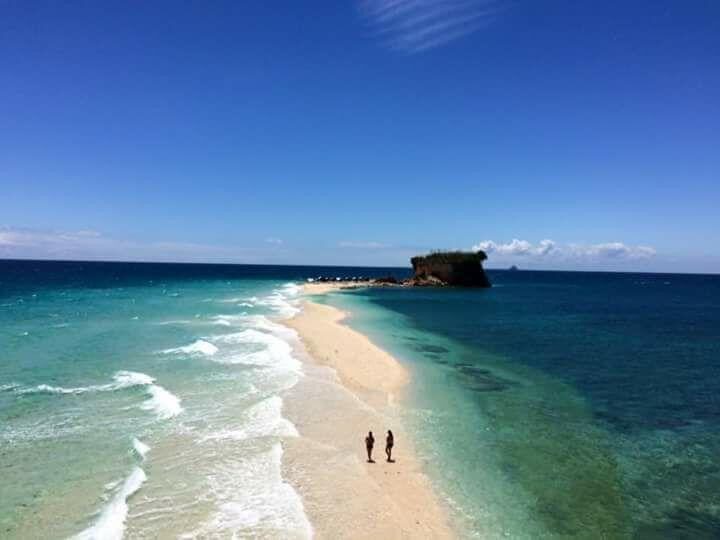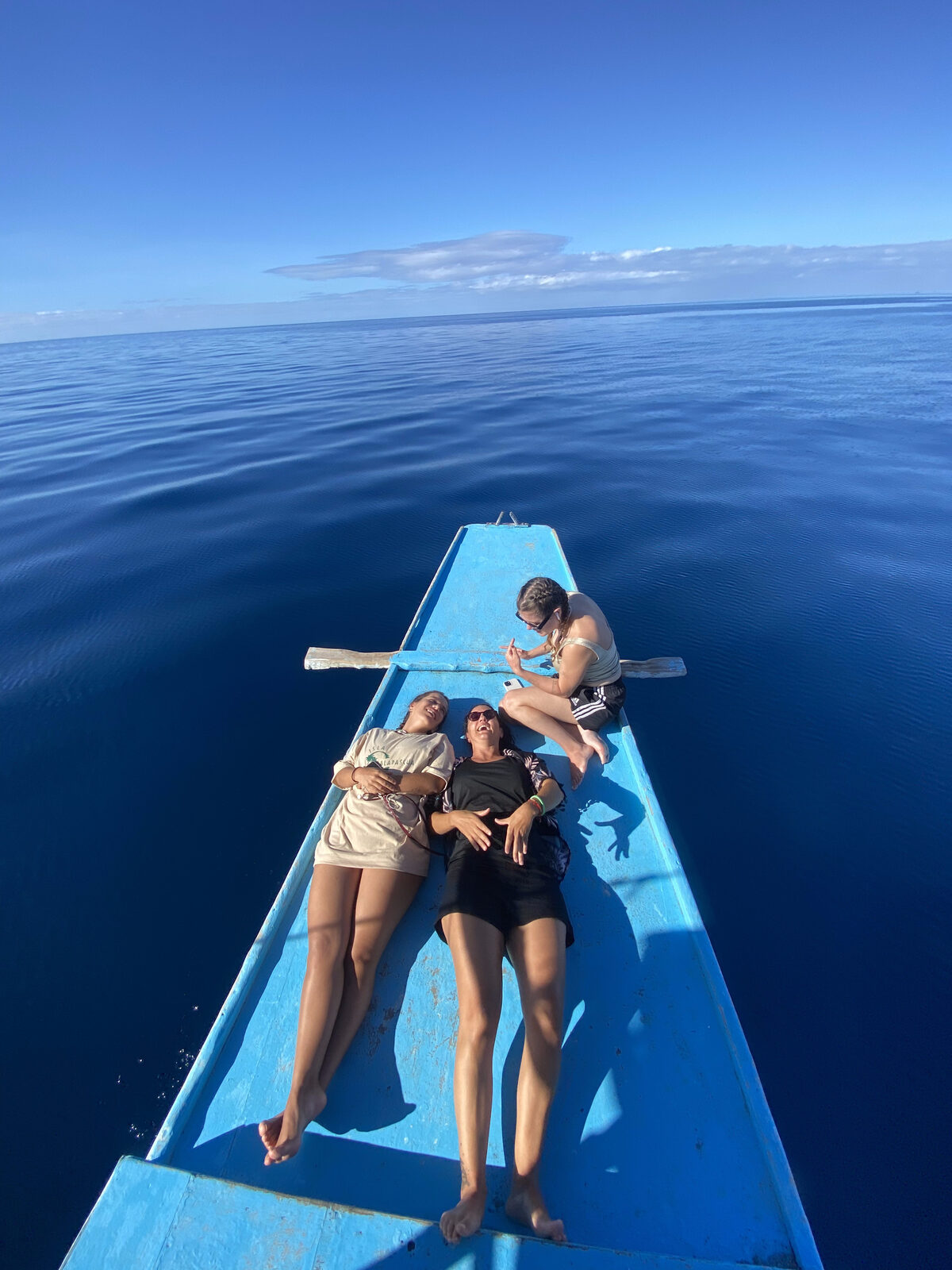
The short answer: November to May is the best time to visit Bantayan Island. Seas are calmest, skies are clearest, and boat trips rarely need to be rescheduled. If you want the stillest water for a long crossing like Kalanggaman, aim for February to May.
The longer answer depends on what you want from the trip. Bantayan is good all year, but the season changes which trips are comfortable, how busy the beaches are and how far ahead you need to book. Here's how we think about it after years of running boats out of Santa Fe.
Bantayan's two seasons
Like the rest of the Philippines, Bantayan has a dry season and a wet season. The thing that matters most for an island trip isn't the rain, though. It's the wind and swell, because almost everything worth doing here involves a boat.
Dry season: December to May
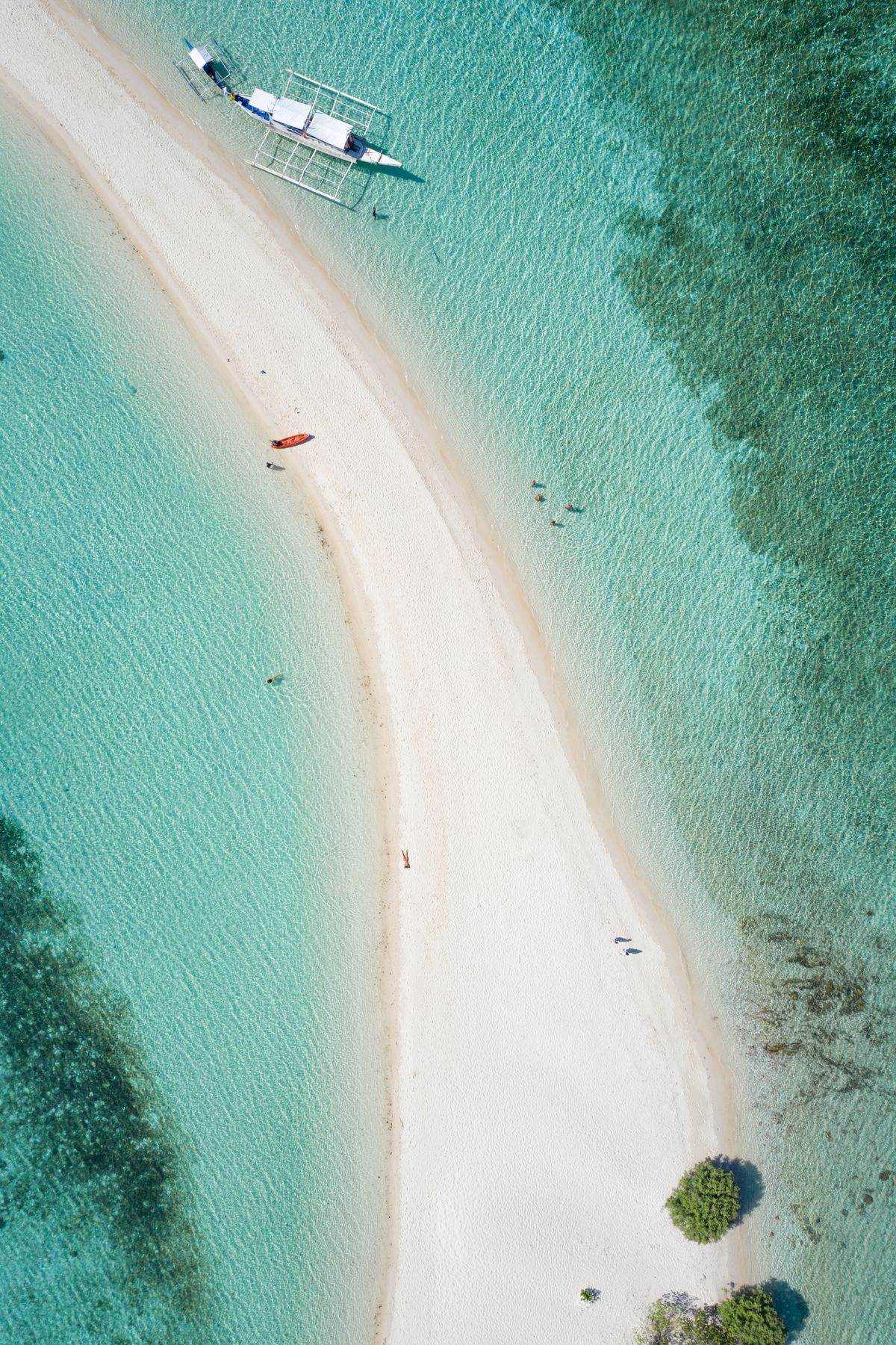
From November to February the northeast monsoon (amihan) brings cooler, drier air. It fades by March, and the water around Bantayan turns glassy on most mornings. This is when the sandbars look their best and the snorkeling visibility is at its peak. March to May is the hottest stretch, so bring a hat and plan the beach for mornings and late afternoons.
Wet season: June to November
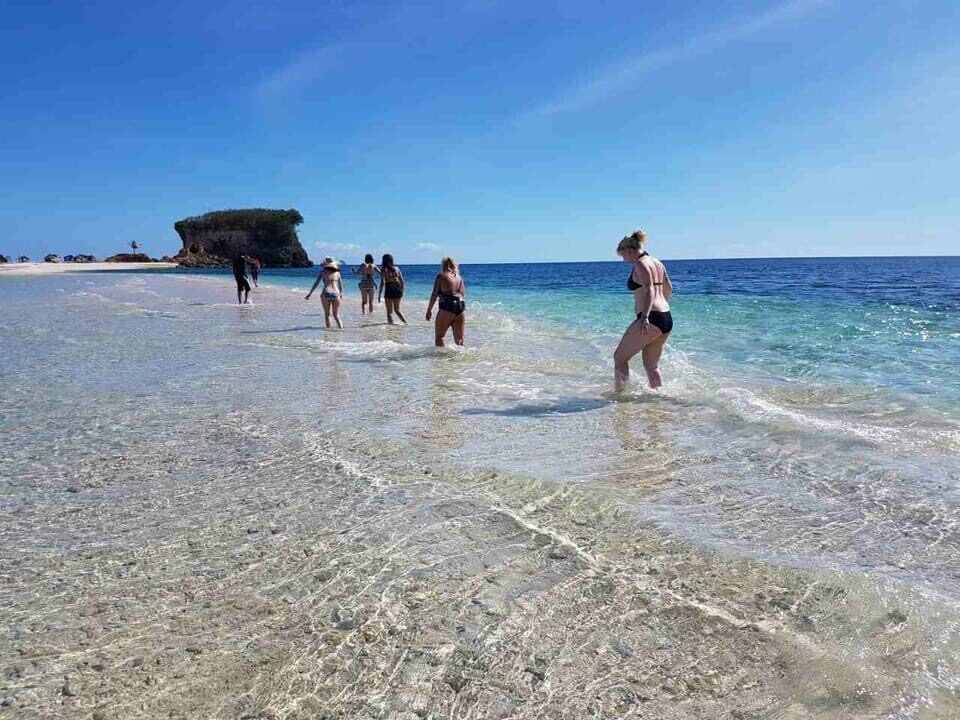
The southwest monsoon (habagat) brings more rain and, on some days, enough swell to make open-water crossings uncomfortable. Rain usually comes in short bursts rather than all-day downpours, and plenty of days are bright and calm. The island is greener, quieter and often cheaper to stay on.
Month by month
| Months | Seas | Crowds | Good for |
|---|---|---|---|
| January–February | Calm, cooler breezes | Moderate | Everything. February is our favourite month |
| March–May | Calmest | Busiest around Holy Week | Kalanggaman, snorkeling, sandbars |
| June–August | Mixed, some swell days | Quiet | Island hopping close to Santa Fe, sunsets |
| September–October | Least predictable | Quietest | Flexible travellers, town and heritage sights |
| November–December | Calming down | Building to the holidays | Virgin Island hopping, paraw sailing |
January and February
Cool mornings, steady weather and calm water make this the easiest time to visit. Chinese New Year usually falls in late January or February and brings a short spike in domestic visitors. Note that Cebu City's Sinulog festival (the third Sunday of January) fills flights, buses and hotels in the city, so plan your connection to Bantayan around it.
March to May
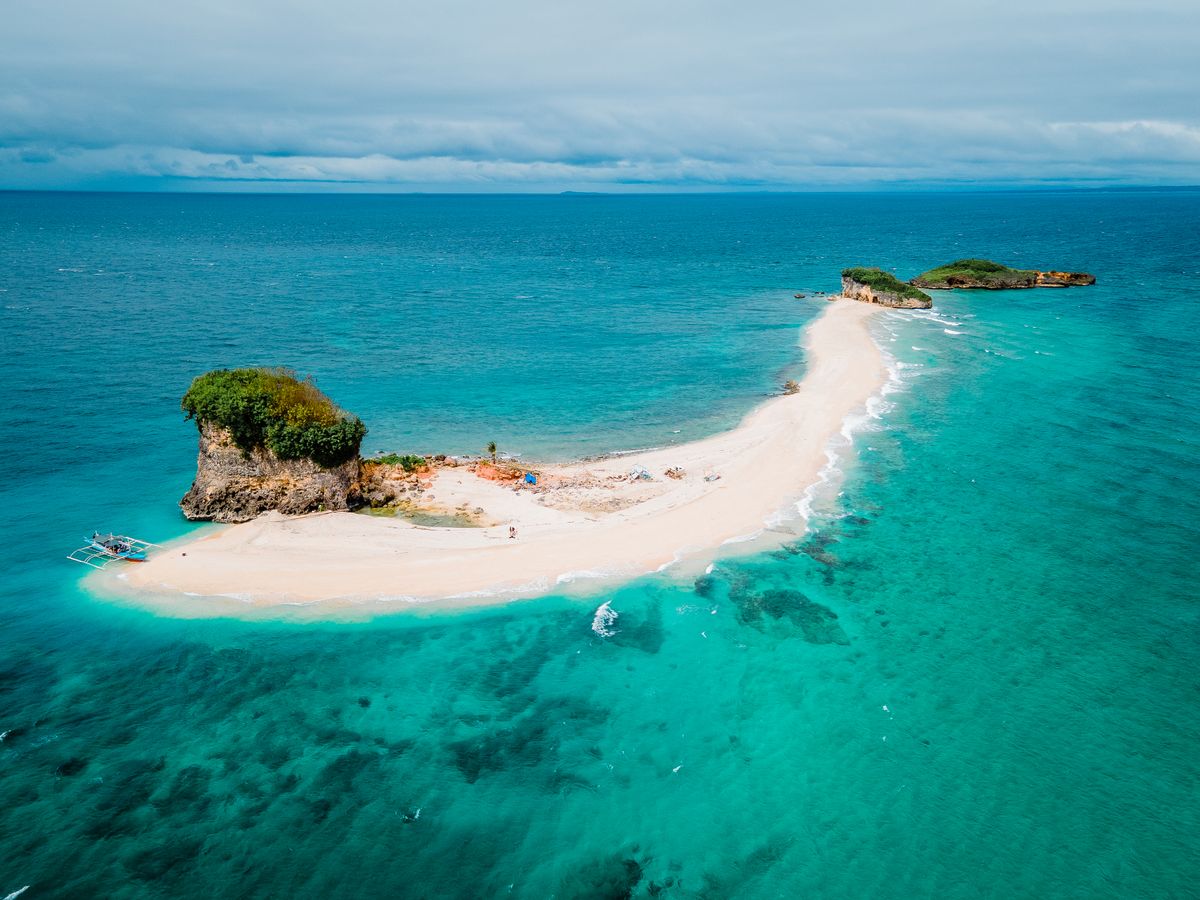
Peak summer. The sea is at its stillest, which makes this the best window for the two-hour crossing to Kalanggaman. It's also the hottest and, around Holy Week, by far the busiest time of year on the island.
June to October
Low season. Trips close to Santa Fe, like Virgin Island and Hilantagaan, run on most days because the crossings are short. Longer open-water trips are more weather-dependent, so build a spare day into your plans. You'll often have beaches almost to yourself.
November and December
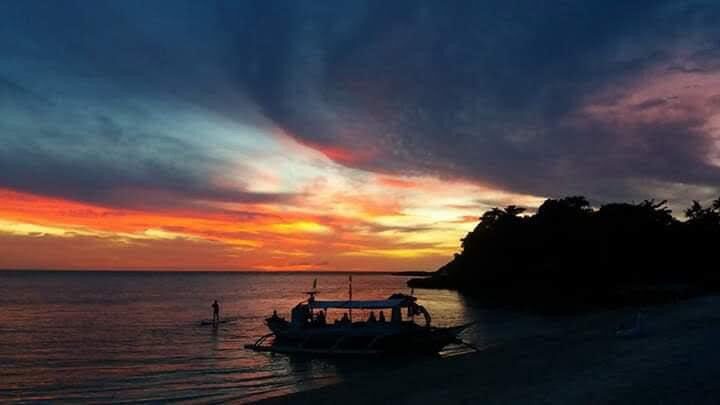
The seas settle as the monsoon fades, and the island fills up again towards Christmas and New Year. Late-year storms are still possible, so keep your dates a little flexible in November. December sunsets are some of the best of the year, which makes it a great month for Sunset Paraw Sailing.
Holy Week on Bantayan
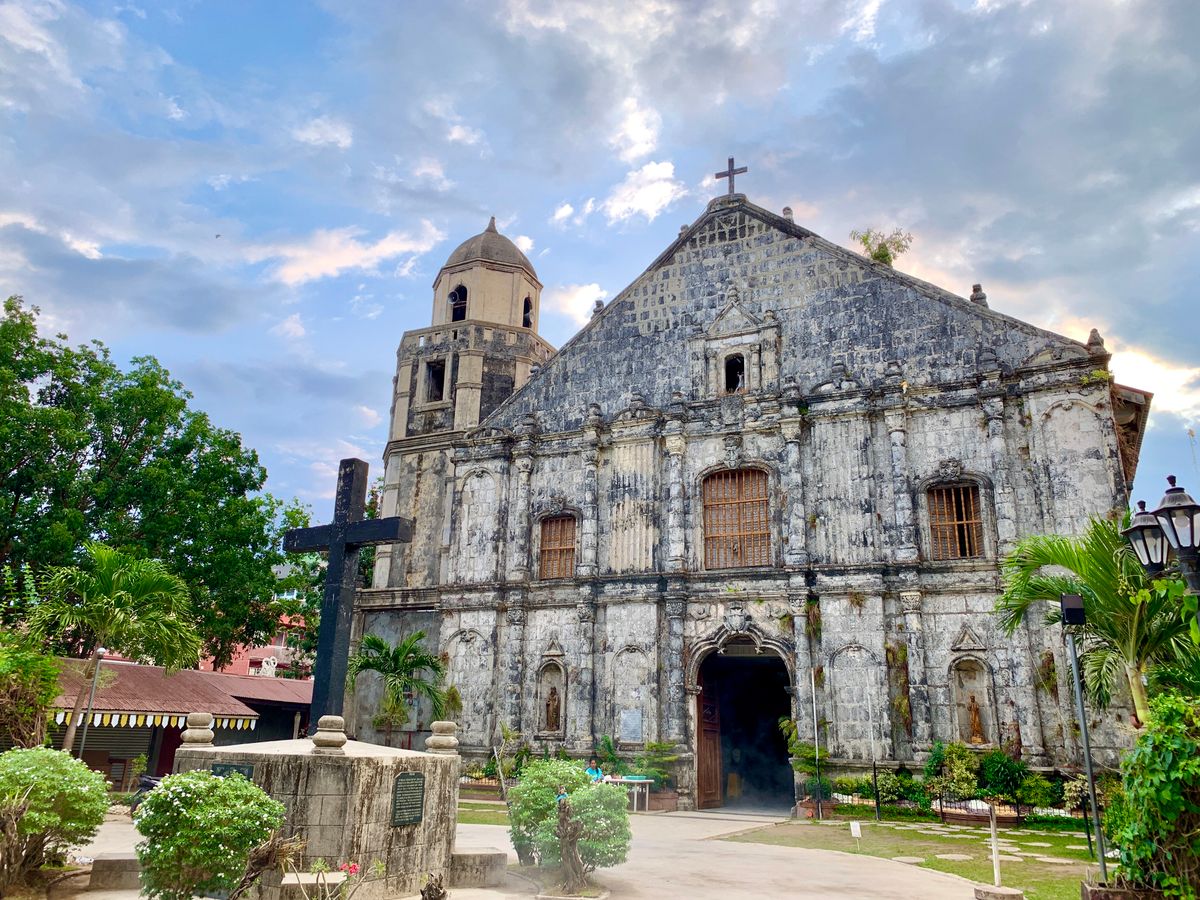
Holy Week (Semana Santa) is the single busiest week of the year on Bantayan. Visitors from across Cebu and beyond come for the beaches and for the processions in Bantayan town, centred on the centuries-old St. Peter & Paul Church. In 2027, Holy Week runs from Palm Sunday, 21 March, to Easter Sunday, 28 March.
- Ferries from Hagnaya and accommodation in Santa Fe sell out. Book 4–6 weeks ahead.
- Beaches near the resorts get crowded, so early-morning boat trips are the best way to find quiet sand.
- Some shops and restaurants close or keep shorter hours on Good Friday.
- If you're not coming for the festivities, the weeks either side have the same weather with far fewer people.
The best time for each trip
Not every trip has the same sweet spot. Here's when we'd book each one:
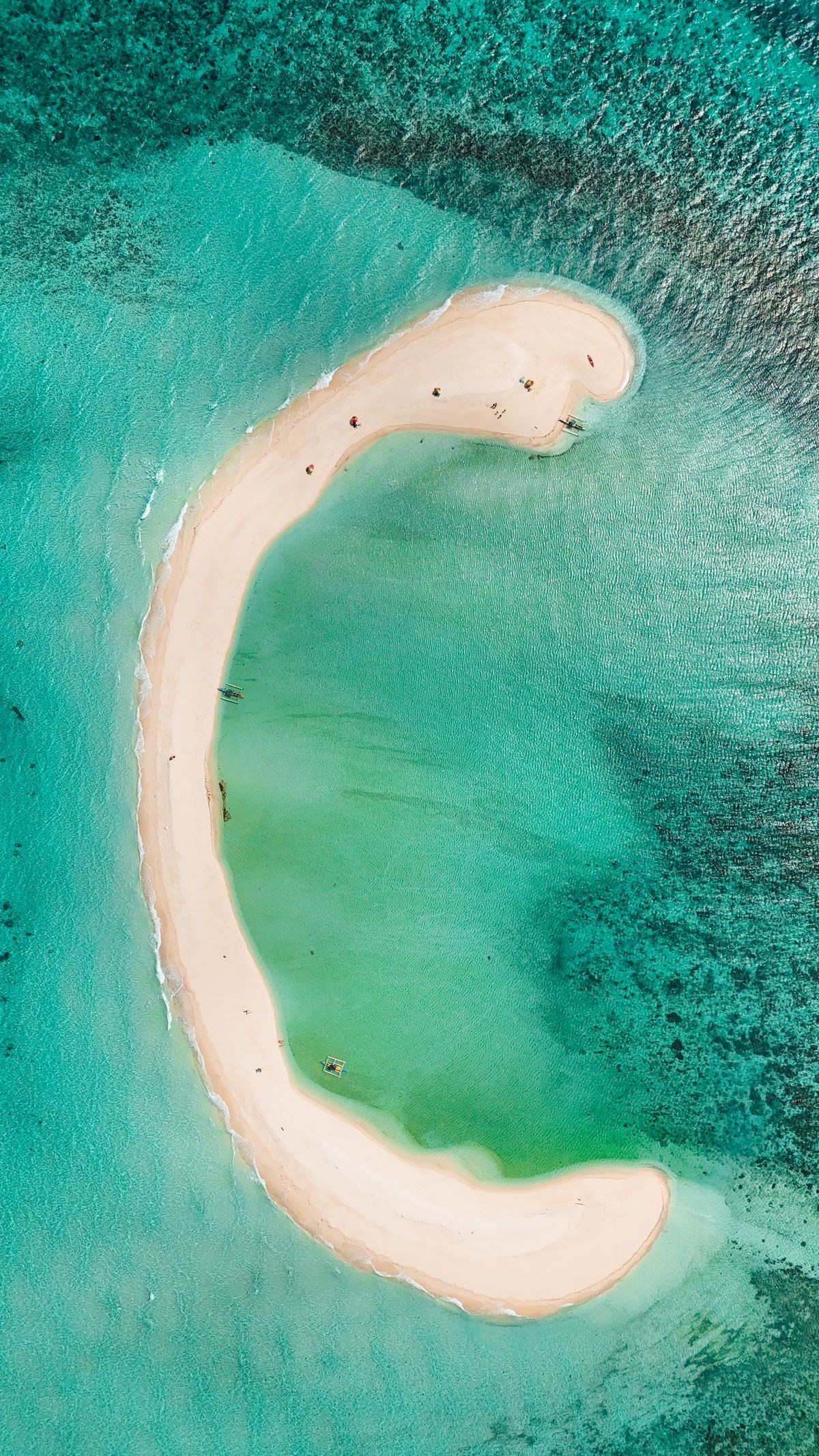
- Virgin Island Hopping: November to May for the clearest snorkeling. It runs on most days year-round because the crossing from Santa Fe is short.
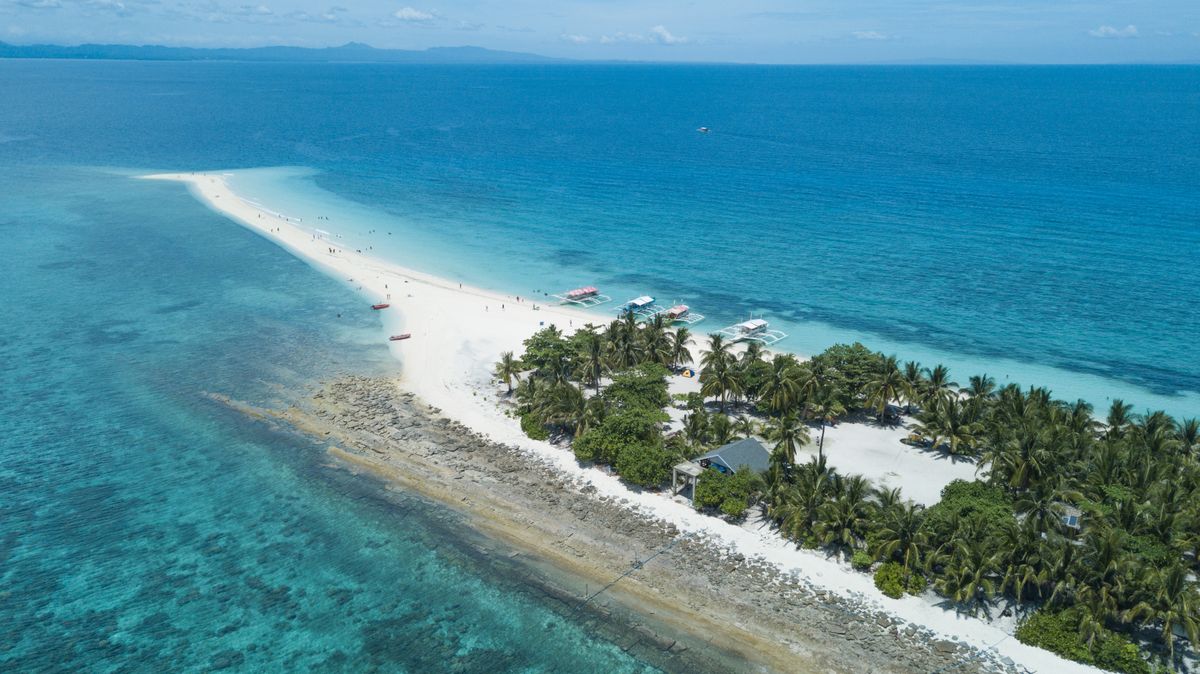
- Kalanggaman Day Trip: February to May. The two-hour crossing is much more comfortable in calm seas.
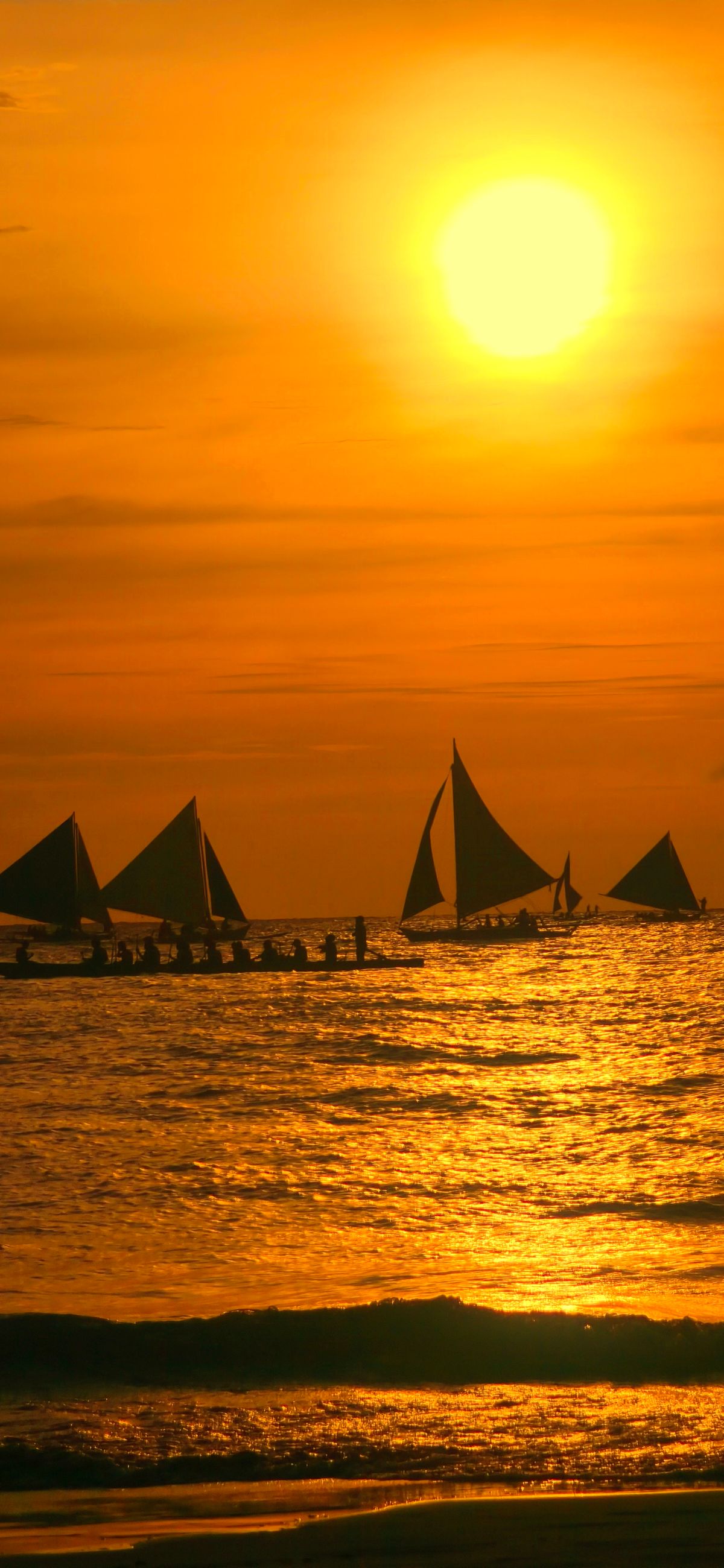
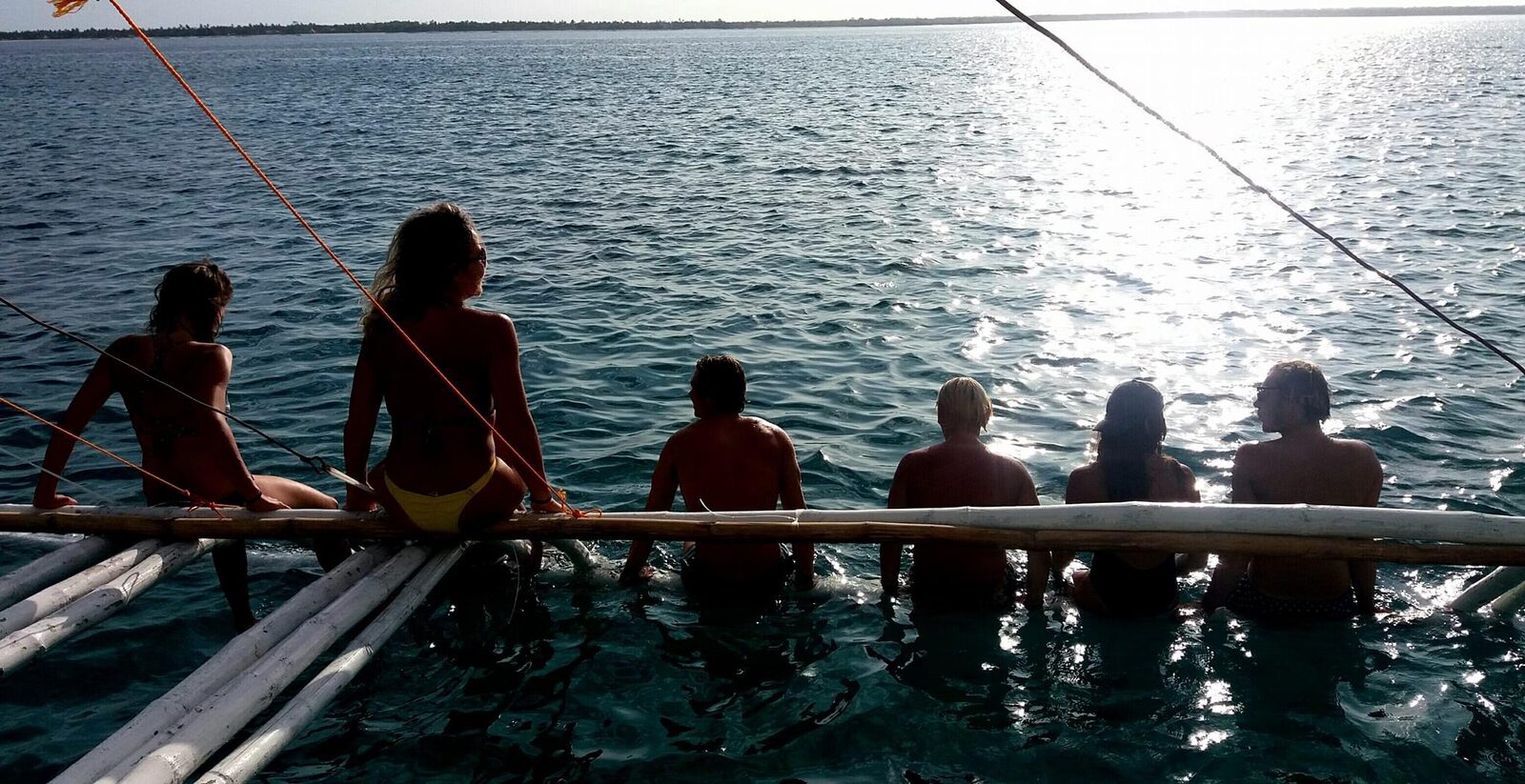
- Sunset Paraw Sailing: November to February for the clearest sunset skies, though any calm evening works.
- Town and heritage sights like the church and the Obo-ob Mangrove Garden: any time of year, which makes them good rainy-day plans.
Making the most of the rainy season
Plenty of our guests visit between June and October and have a great trip. A little planning makes the difference:
- Schedule boat trips early in your stay, so there's room to move them if a morning is too rough.
- Go out early. Mornings are usually calmer than afternoons, and showers tend to build later in the day.
- Keep a rainy-day plan: the church and plaza in Bantayan town, the market, or a slow lunch somewhere with a view.
- Stay flexible on the Kalanggaman crossing. If the swell is up, we'll suggest a closer island instead rather than take you out in uncomfortable seas.
What to pack for each season
Whatever month you come, you'll want swimwear, reef-safe sunscreen, a dry bag for your phone and cash for small purchases. On top of that:
- December to February: a light long-sleeve layer for breezy boat rides and cooler evenings.
- March to May: a wide-brimmed hat, a rash guard for long hours in the water and more drinking water than you think you need.
- June to November: a light rain jacket, quick-dry clothes and sandals you don't mind getting soaked.
How far ahead to book
For high season (December to May), and especially Holy Week, Christmas and Chinese New Year, book your tours and accommodation 4–6 weeks ahead. In low season, a week's notice is usually enough. Our smaller trips, the paraw and Kalanggaman, fill up first.
Not sure which dates suit you? Message us on WhatsApp with the dates you're considering, and we'll tell you honestly what the sea is likely to be doing and which trips we'd recommend.